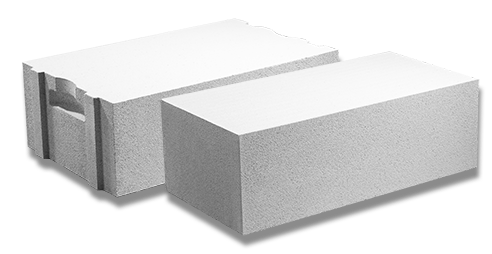
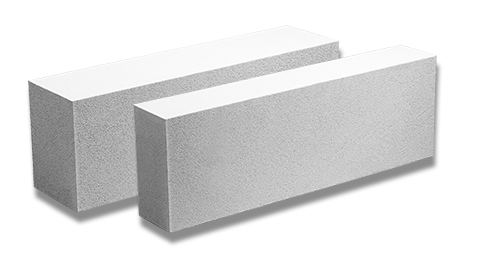
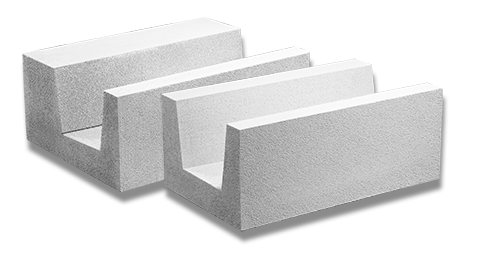
Special Offer: UDK-Super 100!
Dear customers! New product in our range and a limited offer on the "UDK - Super 100!" bundle: partition blocks 600×500×100 + UDK TBM adhesive at the same price as the blocks alone without adhesive.


The energy efficiency of buildings, in the context of annually rising energy costs, is an important criterion that must be taken into account when selecting building materials, structures, and engineering systems (including equipment). The result of making the right choices will be ensuring proper living and operational conditions for residents throughout the building’s standard service life, while maintaining a normatively acceptable level of energy consumption. The higher the thermal resistance of building envelopes and the efficiency of heating and cooling equipment, the better the building’s energy-saving performance. A building’s energy efficiency is directly related to its number of floors and total area. The larger the area and the greater the number of floors, the better the energy efficiency for the same thermal conductivity parameters of the structures. Under otherwise equal conditions, single-story buildings with a small footprint have the lowest energy efficiency indicators. A building’s energy efficiency also depends on the climate of its location. The warmer the climate, the more energy-efficient the same building will be. This is especially true during the heating season, which accounts for the highest household energy consumption.
According to DBN V.2.6-31:2021 “Thermal Insulation and Energy Efficiency of Buildings,” Ukraine is divided into two temperature zones: Zone I and Zone II. Zone I covers regions with colder winters, while Zone II includes regions with milder winters.

A building’s energy efficiency is assessed by its class, which depends on the specific energy consumption per 1 m² of the building’s heated area. The lower the specific energy consumption, the better the energy efficiency class. The minimum acceptable energy efficiency level for new construction in Ukraine is class “C.” For new construction, the calculated value of the building’s total specific energy consumption for heating and cooling is applied; for existing buildings, the actual specific energy consumption figure is used. The calculation of a building’s specific energy consumption is carried out in accordance with DSTU 9190:2022 “Energy Efficiency of Buildings. Method for Calculating Energy Consumption for Heating, Cooling, Ventilation, Lighting, and Hot Water Supply.”
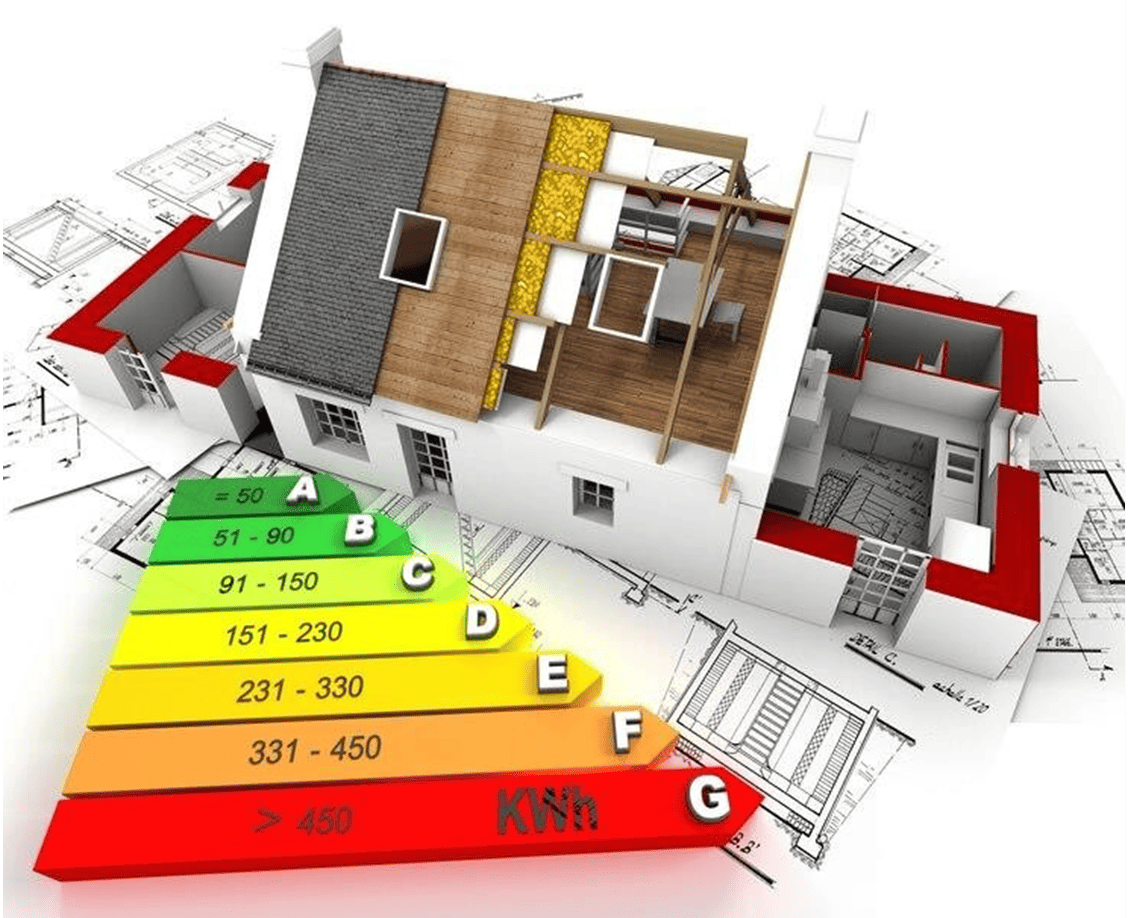
The regulatory requirement of DBN V.2.6-31:2021 regarding the minimum thermal resistance values of individual building structures is no longer the primary criterion. When the energy efficiency condition is met (class C or higher), it is permitted (clause 5.2.1) to use building envelope thermal insulation structures with reduced thermal resistance values down to 80% of Rqmin, provided that sanitary and hygiene requirements are strictly observed.